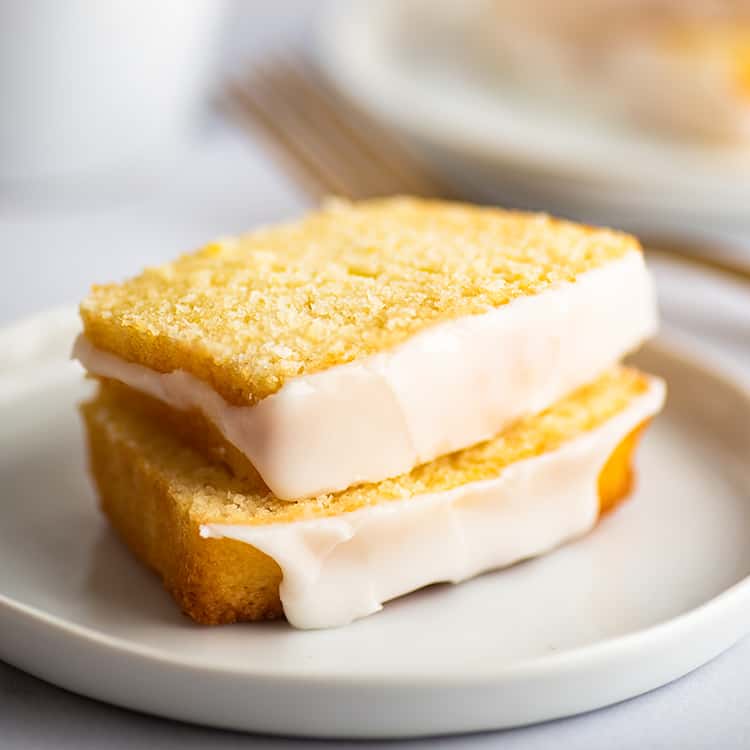
Imagine the vibrant aroma of fresh lemon filling your kitchen, the promise of a tender, moist crumb, and a dessert perfectly sized for you, a loved one, or a small gathering. This is the magic of a small batch lemon pound cake. Far from the intimidating full-sized versions, these delightful mini loaves or single-layer cakes offer all the tangy goodness and buttery richness you crave, without the commitment of a large bake. But once your golden-hued cake emerges from the oven, a crucial, delicious dilemma awaits: which glaze will crown your masterpiece? A bright, zesty lemon glaze or a rich, creamy cream cheese frosting-glaze hybrid?
In this article, we'll delve into the unparalleled charm of the small batch lemon pound cake and guide you through choosing between two equally tempting glazes, ensuring your baking adventure is nothing short of extraordinary.
The Undeniable Allure of Small Batch Lemon Pound Cake
Why has the small batch movement taken the baking world by storm? For a small batch lemon pound cake, the answer is clear: it’s the ultimate solution for satisfying those sudden sweet cravings or preparing a thoughtful treat without a mountain of leftovers. Whether you’re baking for two, a cozy family evening, or simply for yourself, this perfectly scaled-down recipe delivers incredible satisfaction.
These cakes are celebrated for being "incredibly moist, lemon tangy, and everything you want a slice of pound cake to be." From a delicate mini-loaf to a charming 6-cup bundt cake or even a tiny 4-inch layer cake, the essence remains the same: a dense yet tender crumb infused with the bright, zesty flavor of fresh lemons. It's a taste that serves as a cheerful pick-me-up during dreary winter days and a refreshing treat as spring blossoms. The sheer deliciousness of these cakes makes them almost impossible to resist, often leading to a second slice (or mini-loaf!) before you know it. If you're ready to dive into the ultimate tiny treat, explore our Small Batch Lemon Pound Cake: Ultra-Moist & Tangy for Two for a foundational guide to this delightful dessert.
Why Go Small? The Benefits Beyond Portion Control
- Freshness Factor: Enjoy cake at its peak freshness, often within a day or two, minimizing waste.
- Curbing Cravings: Satisfy your dessert desires without having an entire cake tempting you for days.
- Quick & Easy: Often, small batch recipes require less baking time and fewer dishes, making them perfect for impromptu baking.
- Perfect for Gifting: Two mini-loaves are ideal for sharing with a friend or neighbor, a thoughtful gesture without overcommitting.
- Ingredient Efficiency: Uses fewer ingredients, meaning less potential waste of specialty items.
Glaze Showdown: Decadent Cream Cheese vs. Tangy Lemon
Once your Melt-in-Your-Mouth Small Batch Lemon Pound Cake: Easy Cravings Solved is cooling, the real fun begins: choosing its crowning glory. Both a classic lemon glaze and a luscious cream cheese glaze offer distinct experiences, elevating your cake in different ways.
Option 1: The Decadence of Cream Cheese Glaze
For those who adore a richer, more luxurious finish, the cream cheese glaze is an undisputed champion. This isn't just a glaze; it's a delightful cross between a glaze and a frosting, offering a thick, silky texture that melts in your mouth alongside the tender cake.
- Texture & Consistency: It's generously thick and incredibly smooth, creating a visible, luscious layer on top of your cake. Unlike firmer glazes, it sets but remains soft, providing a wonderful textural contrast.
- Flavor Profile: The creaminess of the glaze beautifully complements the vibrant tang of the lemon pound cake. It adds a subtle richness and a hint of tanginess from the cream cheese itself, creating a perfectly balanced flavor symphony.
- Best For: Special occasions, desserts that truly feel decadent, or when you want a substantial, "frosting-like" experience. It’s also fantastic if your pound cake already has cream cheese in the batter, amplifying that delightful tang.
- Practical Considerations: Due to the cream cheese, cakes adorned with this glaze must be stored in the refrigerator. Its softer set also means you'll need to be careful if wrapping cakes for gifting or transport.
Option 2: The Zing of Sweet-Tart Lemon Glaze
If you're a purist who craves an extra burst of bright, zesty lemon, the simple sweet-tart lemon glaze is your ideal choice. This straightforward glaze lets the cake's intrinsic lemon flavor truly shine, adding an irresistible tangy kick.
- Texture & Consistency: Made typically with just powdered sugar and fresh lemon juice, this glaze is thinner than its cream cheese counterpart. It drizzles beautifully and, critically, sets much firmer. This creates a delicate, sugary crust that cracks delightfully with each bite.
- Flavor Profile: It's a concentrated burst of fresh lemon, offering a pucker-worthy tartness balanced by sweetness. It amplifies the cake's lemon essence, making it even more vibrant and refreshing.
- Best For: Those who desire a truly intense lemon experience, lighter desserts, or when you need a glaze that holds up well for easier handling and transport. It’s also ideal if you plan to stack or pack your mini loaves.
- Practical Considerations: Its firm set makes it more forgiving for wrapping and less prone to smudging. Cakes with this glaze can typically be stored at room temperature for a day or two, although refrigeration can extend their freshness.
Baking Your Masterpiece: Essential Tips for Success
Crafting the perfect small batch lemon pound cake is about more than just scaling down a recipe; it’s about understanding the nuances that contribute to its "melt-in-your-mouth" texture and vibrant flavor. Here are some key tips to ensure your cake is nothing short of amazing:
Ingredients Matter
- Fresh Lemon is Non-Negotiable: Always use fresh lemon juice and zest. The bottled stuff simply won't deliver the same bright, complex flavor. Remember to zest your lemon before you juice it!
- Flour Power: Many pound cake recipes, especially those aiming for extra softness, recommend cake flour. Cake flour has a lower protein content than all-purpose flour, resulting in a more tender crumb. If you can't find cake flour, you can make a substitute: for every cup of cake flour needed, measure out 1 cup of all-purpose flour, remove 2 tablespoons, and replace with 2 tablespoons of cornstarch. Sift together thoroughly.
- Fat Choice - Butter vs. Shortening: Some recipes call for shortening, which can contribute to a wonderfully tender and moist texture. However, replacing it with butter (e.g., if a recipe calls for 1/4 cup shortening, use 1/4 cup butter instead, for a total of 1/2 cup butter if the recipe also calls for butter) works perfectly fine. All-butter pound cakes are incredibly delicious and rich, often preferred for their flavor. Just ensure your butter is at room temperature for optimal creaming.
- Cream Cheese in the Batter: If your recipe includes cream cheese in the cake batter itself (as some lemon pound cakes do), this is a secret weapon for mega moisture and a subtle tang that complements the lemon beautifully, adding to that melt-in-your-mouth quality.
Technique is Key
- Room Temperature Ingredients: Butter, eggs, and any dairy (like cream cheese in the batter) should be at room temperature. This allows them to emulsify properly, creating a smooth batter that traps air for a lighter crumb.
- Don't Overmix: Once you add the flour, mix just until combined. Overmixing develops gluten, leading to a tough, dry cake.
- Proper Pan Preparation: Whether you're using mini loaf pans, a 6-cup bundt, or small cake pans, ensure they are thoroughly greased and floured. For loaf pans, a parchment paper sling can make removal a breeze.
- Cooling Process: Allow your cake to cool in the pan for 10-15 minutes before inverting it onto a wire rack to cool completely. Glazing a warm cake will result in a messy, runny glaze that won't set properly.
Storage Solutions
- Plain Cakes: Unglazed small batch lemon pound cake can be wrapped tightly in plastic wrap and stored at room temperature for 2-3 days, or frozen for up to 3 months.
- Lemon Glaze: Cakes with a firm lemon glaze can be stored at room temperature in an airtight container for 2-3 days.
- Cream Cheese Glaze: Always refrigerate cakes with cream cheese glaze. Store in an airtight container for up to 5 days. Bring to room temperature before serving for the best texture and flavor.
Conclusion: Your Glaze, Your Choice, Your Perfect Cake
The beauty of a small batch lemon pound cake lies not only in its perfect size and irresistible flavor but also in the delightful personalization it offers through its glaze. Whether you opt for the sweet-tart zing of a classic lemon glaze or the rich, creamy embrace of a decadent cream cheese glaze, you're guaranteed a truly special treat. Each choice promises a unique sensory experience, transforming your already delicious cake into a masterpiece tailored to your preference.
So, gather your lemons, prepare your pans, and embark on a baking journey that promises pure joy with every bite. The only question left is: which glaze will you choose first?
